


 I can still hear my amazing diving coach, Van Austin, on the pool deck. Never one to yell or shame, Van coached with a kind of positive precision. He made me feel like excellence was possible even when I was bruised, dripping, and wondering “Why on earth did I choose the 10-meter platform?”
That’s the approach that helped me win a gold medal at Nationals on the 10-meter platform.
Van’s wisdom and voice have been in my head at every meet: during my 20+ years of competing internationally; as I dove in the Olympic Spirit High Diving Show at Sea World; and even now, when I compete in U.S. Masters Diving Nationals.
Today as I work with leaders and teams, I see the same truth in organizations that I learned when diving for Van. People rise to clear pictures of success paired with kindness, practice, and belief.
That’s what I call gold medal feedback. It pairs beautifully with Blanchard’s SLII® model because it’s all about meeting people where they are and kindly helping them move forward, step by step.
What Gold Medal Feedback Really Is
Gold medal feedback has three core ingredients:
1. Paint the picture of what TO do instead of what NOT to do.
Van didn’t just tell me what was wrong; he gave me a mental movie of what right looked like. His secret: train for subconscious reaction and do it in a positive, up-front manner. So instead of saying “Don’t duck your head,” he would say, “Keep your head up on your takeoff and wait for the board. Now do it again.”
In the workplace, many leaders give feedback that leaves people with a picture of failure. The brain (which stores in images, not words) isn’t great at not doing something. It needs a target of what good looks like.
Gold medal feedback always answers the question What should I do instead?
2. Coach in micro-behaviors that stack into getting a 10 (perfect score).
A championship dive isn’t one big move. It’s a sequence of small components such as approach, posture, takeoff, body position, timing, alignment, grace, or entry, and each one matters.
Van coached in small steps, or micro-behaviors. These are tiny adjustments that, when used together, can create something incredible.
Each dive consists of 15-20 learned moves to do in about 1½ seconds. The routine parts of a dive need to rest in the subconscious, so that in the competition a diver can concentrate on the single most important part of the dive. The last thing I would hear when walking down the board to do a dive was the one thing Van wanted me to remember in order to nail that dive.
Leaders do the same when they break performance down into observable behaviors and build muscle memory around the process, knowing each interaction will be a bit different for each team member. What does owning the customer experience look like in a meeting? What does collaboration sound like in an email? What does strong prioritization look like on Monday morning?
When you coach in micro-behaviors, you are developing performance.
3. Practice again and again until it’s right.
Van would have me do each dive again, again, and again. At some practices, I would do one dive over and over until I got it right. Sometimes I did the same little part of a dive 100 times! He had no problem staying late at practice (sometimes until 11:00 PM) until I did it perfectly.
That repetition was a pathway for building muscle memory through the subconscious mind, while inspiring confidence and competence.
In organizations, we often give feedback once and hope for transformation. Or we give feedback on too many things at the same time, which fatigues the brain so nothing is remembered. Excellence comes from feedback + practice loops + feedback.
The Coaching Mindset That Changes Everything: I Want Your Success as Much as You Do.
Van coached with a mindset that was almost tangible: he wanted my success as much as I did.
This matters, because people can feel the difference between feedback that’s about the leader’s frustration and feedback that’s about the person’s future.
Gold medal feedback is delivered with appreciation and love. (Yes, I’m using that word because it’s the most accurate one.) When feedback is rooted in care, it builds confidence.
Where SLII® Fits: Match Your Feedback to Their Development Level
Blanchard’s SLII® model reminds us that effective leadership isn’t one-size-fits-all. It’s about matching your leadership style (S1, S2, S3, S4) to a person’s development level (D1, D2, D3, D4) on a specific goal or task. Your feedback should match, too. Here’s how:
Development Level 1 (D1), the Enthusiastic Beginner, needs clear direction.
The person is excited about this task (or in my case, this dive), but they don’t know what they’re doing yet.
Examples of gold medal feedback using Leadership Style 1 (S1) are: “Here’s what great looks like.” “Here are the 2–3 key steps to start with.” and “Try it right now. I’ve got you.”
This is the stage where sometimes leaders accidentally empower people too early. What the person really needs right now is a confident guide, a clear picture, and time to practice with specific feedback.
Development Level 2 (D2), the Disillusioned Learner, needs coaching and confidence.
This is the messy middle—where reality hits and motivation dips. The person has been trying hard but lacks confidence and feels discouraged.
D2 in diving means landing flat on your back (or your face) off a 10-meter platform and getting bruised all over. When this happened to me I usually said, “I never want to do that dive again!”
Van was brilliant here. He gently reinforced my effort, helped me see why we needed to raise my degree of difficulty (to improve my scores), and normalized the struggle. Later, when I was remotivated, he coached in micro-behaviors to drive my success.
Examples of gold medal feedback using Leadership Style 2 (S2) are: “You’re on your way and building the skill—this part is supposed to feel hard.” “Look how much you did right! Now just …” “Let’s focus on this one adjustment for the next attempt.” and “Your effort matters and I’m with you.”
Development Level 3 (D3), the Capable but Cautious Contributor, needs to practice self-feedback.
As I became more competent on the tougher dives, Van began doing something powerful. He asked me to give myself feedback on what I did right and what I could improve.
This is leadership gold! It builds ownership, it embeds best practices, and it helped me gain insight into the behaviors I wanted to repeat.
Examples of gold medal feedback using Leadership Style 3 (S3) are: “What did you do well that time?” “What’s one tweak you want on the next attempt?” and “What else? Tell me more.”
Development Level 4 (D4), the Self-Reliant Achiever, needs to reinforce excellence and appreciate the standard.
When someone has both high competence and high commitment on a task or dive, the leader’s role becomes recognition, trust, and stretch—without hovering.
Examples of gold medal feedback using Leadership Style 4 (S4) are: “That was world-class. Tell me what made it work.” “What do you want to elevate next?” and “I really appreciate the standard you hold and the discipline you bring.”
The Part Leaders Forget: Reinforce the Optimal Behaviors
One of the most important things Van did was to consistently give me positive reinforcement on what was working.
He didn’t assume I would just know what I did right. He would call it out: the courage, the adjustment, the resilience, the discipline, and the ability to overcome the pain of wiping out while learning something new.
This kind of reinforcement is fundamental instruction. It tells the brain: “That. Do more of that.”
Gold Medal Feedback: A Simple Leader Formula
If you want something practical you can use today, here it is:
-
- Start with belief and appreciation. “I’m glad you’re working on this. I appreciate your effort.”
- Name what’s working (specific behavior). “When you summarized the customer’s concern first, the whole room got aligned.”
- Give one micro-adjustment (what TO do). “Next time, pause two seconds after you ask the question. Let them think.”
- Practice loop. “Let’s try it again in the next call / next meeting / right now in a role play.”
- Build ownership as competence grows. “What did you do well? What would you improve?”
That’s how leaders help people stick the landing and win the gold!
The Bigger Point: Champions Are Coached, Not Criticized
Van inspired many champions to become Olympians, and it wasn’t because he demanded perfection. It’s because he coached with positivity, precision, micro-behaviors, repetition, belief, and love. This combination creates the conditions where people don’t just perform, they become.
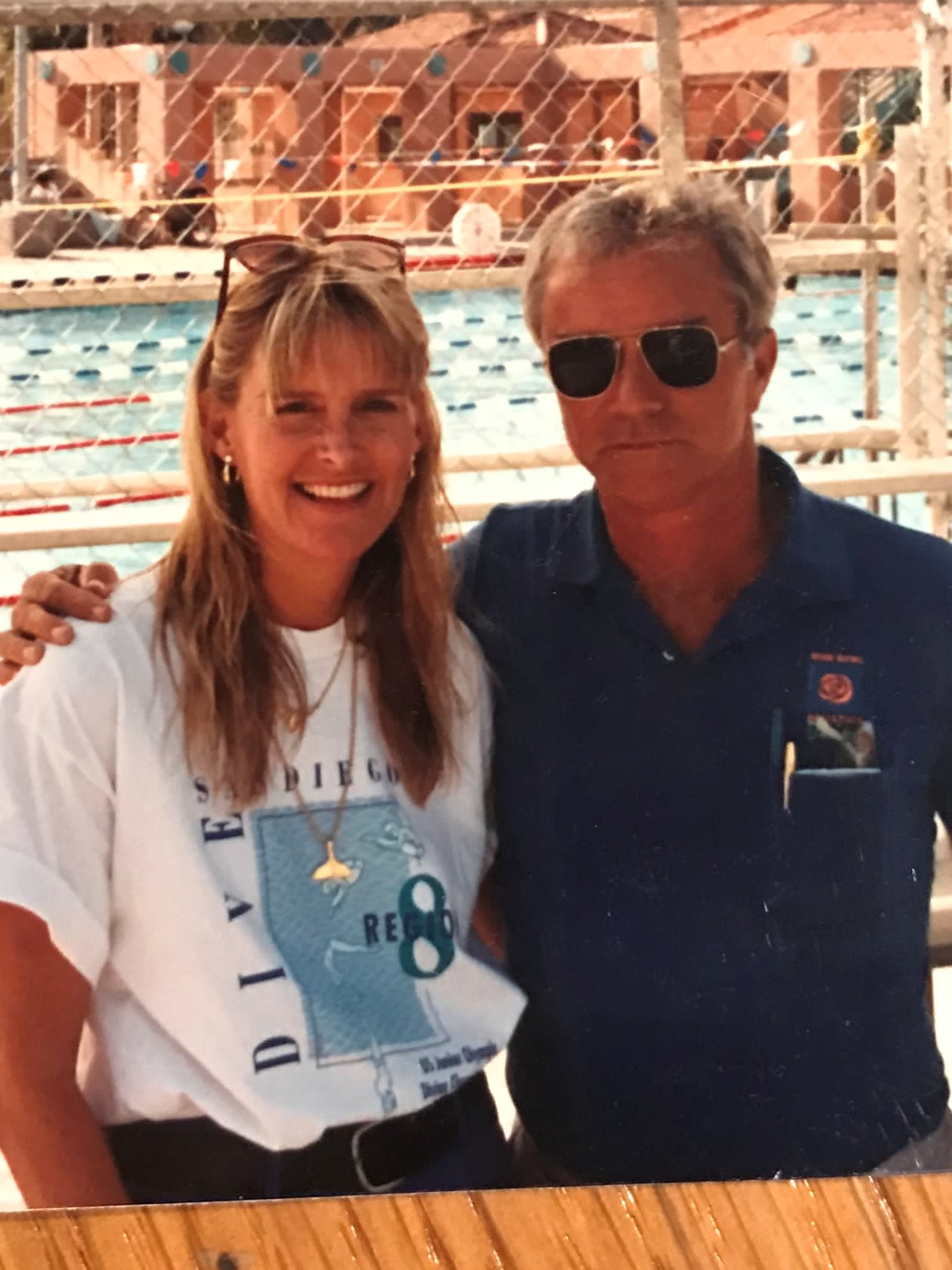 Van was my hero. He inspired me to overcome the negative messages I was hearing at home and to step into my power and grace.
I’ll leave you with this leadership question:
When your people hear your feedback, do they get a picture of their success and the feeling that you want it for them, too?
Because that’s gold medal feedback. You are changing lives one at a time by endorsing a person’s value and setting them up for success!
About the Author
More Content by Vicki Halsey


