


Designed for HR and L&D leaders, this discussion guide helps teams turn insight into action using findings from Blanchard’s 2026 HR / L&D Trends Report. Inside, you’ll find thought-provoking discussion questions and reflection prompts focused on leadership capability, engagement and retention, future-ready competencies, learning investment, and measurement. Use this guide to facilitate meaningful conversations, identify gaps between priorities and practice, and explore practical actions that strengthen leadership and learning in an uncertain environment.


Resources in this Stream

Blanchard’s 2026 HR / L&D Trends Survey set out to explore how organizations are responding to the shifting forces redefining work.
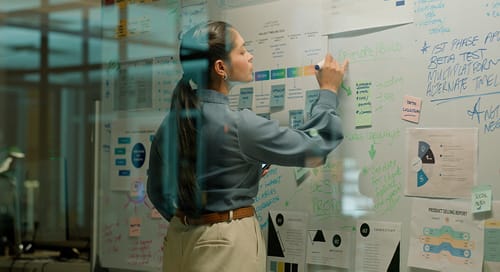
Learning programs won’t make a difference if participants don’t learn— and apply—their new or improved knowledge and skills.
One big challenge that makes most L & D professionals nervous is having to show the impact of training in a way that makes sense to senior executives in your company.

This year’s survey identifies the ways organizations are being called upon to develop leaders who can inspire, adapt, and thrive amid disruption.
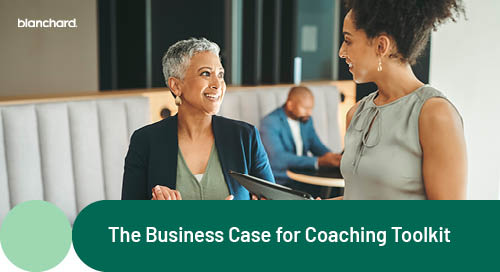
Build internal support for coaching with this practical toolkit featuring stats, templates, and talking points for HR and L&D leaders.
Researchers at Blanchard posed questions about innovation to executives, managers, and individual contributors.
This year’s survey paints a picture of organizations taking experimental steps during a time of accelerated change.
Training won’t make a difference if learners don’t apply their newly acquired knowledge and skills.
Government leaders must have understand what generates work passion, constituent respect, and organizational vitality.
Explore a process for closing the Learning–Doing Gap and providing measurable results.
 2:06
2:06In creating a leadership development curriculum for clients, we look at the entire life-cycle of a leader to identify and provide the skills that are needed at each stage of development.
Coaching makes a difference in organizations because it addresses key business issues and lets people know what they should do more of or less of to achieve personal and organizational goals.